
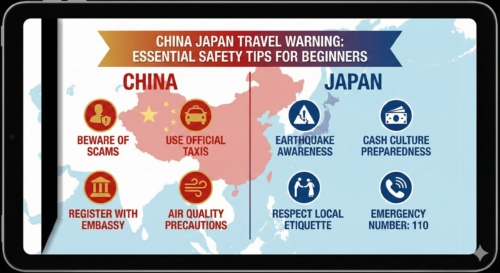
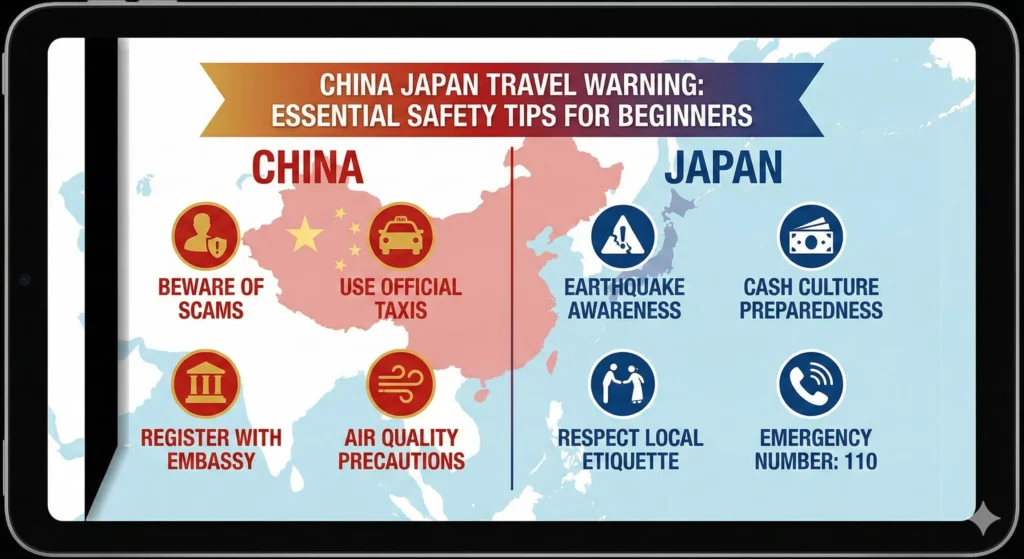
Understanding Travel Warnings for China and Japan
Embarking on an international adventure to China or Japan is a dream for many, offering a rich tapestry of history, culture, and breathtaking landscapes. However, like any travel destination, it’s wise to be aware of potential risks and advisories. For beginners, navigating these warnings can seem daunting, but with the right information, you can prepare effectively and ensure a safe and enjoyable trip. This guide aims to demystify travel warnings for both China and Japan, offering practical advice tailored for first-time visitors.
Why Travel Warnings Matter for Beginners
Travel warnings are issued by government agencies to inform citizens about potential dangers or risks in foreign countries. These can range from political instability and natural disasters to health concerns and high crime rates. For novice travelers, understanding these warnings is crucial for several reasons:
-
Safety First: The primary goal of any travel warning is to protect travelers. Ignoring them can put you in harm’s way.
-
Informed Decision-Making: Warnings help you make informed decisions about where to go, what precautions to take, and whether to travel at all.
-
Insurance and Logistics: In some cases, travel insurance policies may be invalidated if you travel to a region with a specific travel warning and then experience an incident. Understanding these advisories also helps in planning your itinerary and transportation.
-
Cultural Sensitivity: Travel warnings often include advice on cultural norms and local laws, helping you avoid unintentional offense or legal trouble.
General Considerations for East Asian Travel
While China and Japan are vastly different, some general considerations apply when traveling to East Asia as a beginner:
-
Language Barrier: While English is spoken in tourist areas, it’s not widespread. Learning a few basic phrases in Mandarin or Japanese can go a long way.
-
Connectivity: Reliable internet access can sometimes be a challenge, especially in more remote areas. Consider getting a local SIM card or a portable Wi-Fi device.
-
Transportation: Both countries boast excellent public transportation systems, but understanding how to use them (e.g., ticket machines, etiquette) is key.
-
Currency Exchange: Familiarize yourself with the local currency (Chinese Yuan/RMB and Japanese Yen) and the best ways to exchange money or use credit cards.
China Travel Warnings and Safety Tips
China is a vast country with a rich history and diverse geography. While millions visit safely each year, understanding potential risks is important for a smooth journey.
Current Travel Advisories (General)
Government travel advisories for China often highlight areas with higher risks. These can include:
-
Arbitrary Law Enforcement and Risk of Wrongful Detention: This is a significant concern. Chinese authorities have detained foreign nationals, sometimes with little explanation, and have denied them access to legal counsel. Travelers should be aware that they may be subject to Chinese law, even if they are unaware they are breaking it.
-
Civil Unrest: Protests or demonstrations can occur, particularly in sensitive regions. It’s advisable to avoid large crowds and demonstrations.
-
Regional Tensions: Certain regions, such as Xinjiang and Tibet, may have increased security presence and potential for unrest or restrictions on movement for foreigners.
-
Health Concerns: While generally good, it’s wise to check for any specific health advisories, such as air quality in major cities or potential outbreaks of diseases.
Common Scams and How to Avoid Them in China
Beginners are often targets for common scams. Being aware of these can save you trouble:
-
Tea Ceremony Scam: You’ll be invited to a “tea ceremony” by friendly locals, often young students. The ceremony is overpriced, and you’ll be pressured to pay exorbitant amounts.
-
Tip: Be polite but firm. If an offer seems too good to be true or unsolicited, politely decline.
-
Art Student Scam: Similar to the tea ceremony scam, you might be approached by “art students” who want to show you their work at a gallery. The art is overpriced, and you’ll face pressure to buy.
-
Tip: Avoid unsolicited invitations to galleries or private studios.
-
Fake Monastery/Temple Entrance Fee: You might be told a particular temple or attraction requires a special fee, often higher than the official price.
-
Tip: Always confirm official entrance fees at ticket booths.
-
Taxi Scams: While most taxi drivers are honest, some may take circuitous routes to inflate the fare or not use the meter.
-
Tip: Use reputable taxi companies or ride-sharing apps. Ensure the meter is used and keep the receipt.
-
Counterfeit Currency: Be cautious when receiving change. Always inspect banknotes.
-
Tip: Exchange money at official banks or reputable exchange bureaus.
Practical Safety Tips for China
-
Respect Local Laws and Customs: Be aware of Chinese laws, which can differ significantly from your home country. Public displays of affection are generally frowned upon.
-
Stay Informed: Monitor news and government advisories for any changes in the political or security situation.
-
Keep Valuables Secure: Petty theft can occur in crowded tourist areas.
-
Be Cautious with Strangers: While many Chinese people are friendly and helpful, be wary of overly friendly strangers offering unsolicited help or invitations.
-
Emergency Numbers: Know the emergency numbers: Police (110), Ambulance (120), Fire (119).
-
Visa Requirements: Ensure your visa is valid and understand the terms of your stay. Overstaying can lead to serious consequences.
-
Health Precautions: Carry a basic first-aid kit. Consider travel vaccinations as recommended by your doctor. Drink bottled water.
-
Internet Censorship (The Great Firewall): Many Western websites and apps (Google, Facebook, Instagram, WhatsApp) are blocked. Consider using a VPN (Virtual Private Network) before you arrive if you need access to these services.
Navigating Cultural Differences in China
-
Bargaining: In markets, bargaining is expected. Start at about 50% of the asking price and negotiate upwards. In department stores or official shops, prices are usually fixed.
-
Gift Giving: If invited to someone’s home, a small gift is appreciated. Avoid clocks (associated with death) or sharp objects.
-
Eating Etiquette: Chopsticks are used for eating. Never stick them upright in a bowl of rice. It’s polite to try a little of everything offered.
-
Queuing: Queuing is not always strictly observed. Be prepared for a more assertive approach in crowded places.
Japan Travel Warnings and Safety Tips
Japan is renowned for its safety, politeness, and efficiency. However, even in a country with low crime rates, there are considerations for beginners.
Current Travel Advisories (General)
Japan generally has low travel advisories. However, some points to be aware of include:
-
Natural Disasters: Japan is prone to earthquakes, typhoons, and tsunamis. While preparedness is high, it’s good to be aware of these risks, especially during certain seasons.
-
Earthquakes: Familiarize yourself with earthquake safety procedures (e.g., drop, cover, hold on). Hotels often have information in rooms.
-
Typhoons: The typhoon season is typically from May to October. Heed local warnings and follow evacuation instructions if necessary.
-
Regional Issues: While rare, there can be localized concerns. Always check official government travel advisories for the most up-to-date information.
-
Health: Japan has excellent healthcare, but it can be expensive for non-residents. Travel insurance is highly recommended.
Common Scams and How to Avoid Them in Japan
Scams are far less prevalent in Japan than in many other countries. However, some minor issues can arise:
-
Overpriced Souvenirs/Services: In very touristy areas, some vendors might slightly inflate prices.
-
Tip: Compare prices and be aware of what things generally cost.
-
Misunderstandings with Taxis: While taxis are generally reliable, language barriers can sometimes lead to misunderstandings about destinations or fares.
-
Tip: Have your destination written in Japanese or a map with the location clearly marked. Ensure the meter is running.
-
“Love Hotel” Scams (Rare): Some establishments may try to charge exorbitant rates for short stays.
-
Tip: Research reputable hotels and book in advance, especially during peak seasons.
Practical Safety Tips for Japan
-
Respect Local Laws and Customs: Japan has strict laws regarding drug possession, public intoxication, and littering. Politeness and respect are paramount.
-
Emergency Numbers: Police (110), Ambulance/Fire (119).
-
Petty Theft: Extremely rare, but still advisable to keep an eye on your belongings in crowded places like train stations.
-
Food Safety: Japan has extremely high food safety standards.
-
Travel Insurance: Essential for covering medical emergencies or trip disruptions.
-
Cash vs. Card: While credit card acceptance is increasing, Japan is still a cash-heavy society, especially in smaller towns and for smaller purchases. Always carry some cash.
-
Lost and Found: Japan has an excellent lost and found system. If you lose something, report it to the nearest police box (koban).
Navigating Cultural Differences in Japan
-
Bowing: While foreigners aren’t expected to master bowing, a slight nod of the head is a good gesture of respect.
-
Shoes: You’ll need to remove your shoes when entering homes, traditional inns (ryokan), and some restaurants or temples. Slippers are usually provided.
-
Eating Etiquette:
-
Slurping noodles is considered polite as it shows enjoyment.
-
Never stick chopsticks upright in your rice bowl.
-
Use the provided wet towel (oshibori) to clean your hands before eating.
-
Public Transportation Etiquette:
-
Avoid talking loudly on phones.
-
Offer seats to the elderly, pregnant women, or those with disabilities.
-
Line up neatly on the platform before boarding.
-
Onsen (Hot Springs) Etiquette: There are strict rules for using onsen, including washing thoroughly before entering the bath and not wearing swimwear.
-
Tipping: Tipping is not customary in Japan and can even be considered rude. Excellent service is standard.
Comparing China and Japan: Key Differences for Travelers
Understanding the fundamental differences between China and Japan is crucial for setting expectations and preparing accordingly.
Political and Social Climate
-
China: A one-party socialist republic with significant government control over information and daily life. Travelers should be mindful of censorship and potential political sensitivities.
-
Japan: A constitutional monarchy with a democratic government. It’s a highly stable and open society, with a strong emphasis on social harmony and order.
Safety and Crime Rates
-
China: While violent crime is relatively low, scams targeting tourists can be an issue. Petty theft can occur in crowded areas. Arbitrary detentions are a significant concern for some governments.
-
Japan: Consistently ranks as one of the safest countries in the world, with extremely low crime rates. Petty theft is very rare.
Cultural Norms and Communication
-
China: Communication can be more direct, and bargaining is common. Public spaces can be noisy and crowded.
-
Japan: Emphasis on politeness, indirect communication, and maintaining harmony. Public spaces are generally quiet and orderly. Queuing is strictly observed.
Infrastructure and Technology
-
China: Rapidly modernizing with advanced high-speed rail and extensive infrastructure, but internet access is heavily regulated.
-
Japan: World-renowned for its punctuality, efficiency, and advanced public transportation. Internet access is generally widespread and uncensored.
Cost of Travel
-
China: Generally more affordable than Japan, especially for accommodation, food, and local transport, though major cities can be expensive.
-
Japan: Can be more expensive, particularly for accommodation and transportation. However, budget options for food and lodging are available.
Final Preparations and Mindset for Beginners
Traveling to a new country, especially one as culturally distinct as China or Japan, requires more than just booking flights and hotels. A prepared mindset is your best travel companion.
Pre-Trip Checklist
-
Passport and Visa: Ensure your passport is valid for at least six months beyond your intended stay and that you have the correct visa if required.
-
Travel Insurance: Purchase comprehensive travel insurance that covers medical emergencies, trip cancellations, and lost belongings.
-
Health Preparations: Consult your doctor about recommended vaccinations and any health precautions. Pack a basic first-aid kit.
-
Financial Arrangements: Inform your bank of your travel dates to avoid card issues. Carry a mix of cash and credit/debit cards.
-
Research and Itinerary: Plan your itinerary but remain flexible. Research key phrases, local customs, and emergency contacts.
-
Technology: Download offline maps, translation apps, and consider a VPN for China if needed. Ensure your devices are unlocked for local SIM cards.
Embracing the Experience
-
Stay Open-Minded: Be prepared for cultural differences and try to approach them with curiosity rather than judgment.
-
Be Patient: Things may not always go according to plan. Patience and a sense of humor are invaluable.
-
Be Observant: Pay attention to how locals behave and interact. This is often the best way to learn and adapt.
-
Don’t Be Afraid to Ask (Politely): Most people are willing to help if you approach them respectfully, even with a language barrier.
-
Prioritize Safety: Always be aware of your surroundings and trust your instincts.
Conclusion
China and Japan offer incredibly rewarding travel experiences for beginners, each with its unique charm and challenges. By understanding the specific travel warnings, common scams, and cultural nuances of each country, you can significantly enhance your safety and enjoyment. Remember that most travel is safe and uneventful, but preparation is key to navigating the unexpected. Embrace the adventure, stay informed, and you’re well on your way to an unforgettable journey.
EXTERNAL_LINKS: U.S. Department of State – China Travel Advisory, U.S. Department of State – Japan Travel Advisory, Japan National Tourism Organization

![[DIY] 고장 난 중고 전동 스크린의 부활! 알리 부품 5개와 스마트싱스 IoT 연동으로 완벽한 '시네마 모드' 구축하기](https://dduri.co.kr/wp-content/uploads/2026/05/Gemini_Generated_Image_m22sg4m22sg4m22s-scaled-e1779719084489.webp)

Find Your Favorite Interesting thing!!에서 더 알아보기
구독을 신청하면 최신 게시물을 이메일로 받아볼 수 있습니다.
